

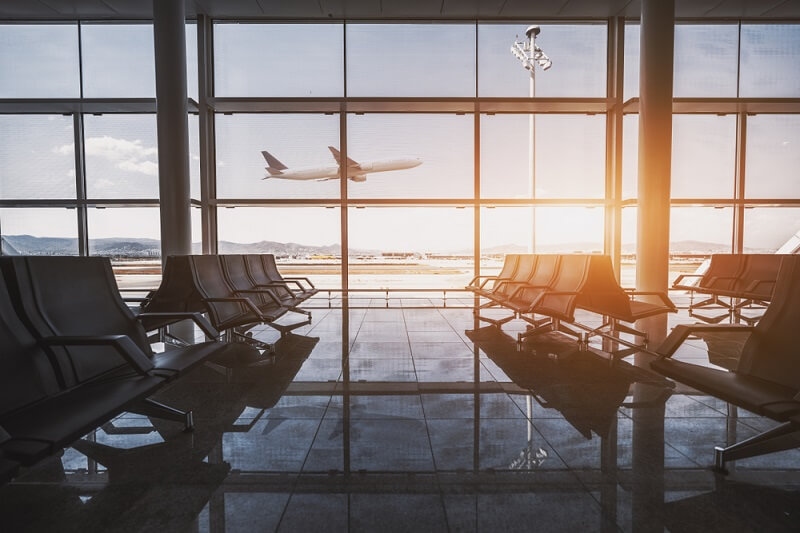
Traveling by air should feel fun, not stressful. Many people feel confused while navigating busy terminals, long lines, and airport security procedures. By using the best airport travel tips early, travelers stay more relaxed and focused. A simple airport navigation plan, a smart check-in guide, and helpful airport security tips make a huge difference. First-time flyers and seasoned travelers alike can enhance their airport experience with a bit of preparation.
Each airport has its own unique design and rule system; however, the fundamentals remain constant across all international airports. You can use these travel tips from the Airport Travel Consultant to help you organize your luggage, know where to begin when checking in for your flight and when you're checking in, and know what to do during your layover. Additionally, you can prepare for your trip by packing your bags and selecting the correct check-in times at the airport.
Airports are unpredictable. Lines change fast. Weather delays happen. Reaching the airport early gives travelers a buffer. A strong plan supports better airport navigation, allowing for a smoother transition from check-in to the gate.
Here’s the thing: planning gives more freedom and less panic. Travelers receive extra time to eat, relax, and undergo safety checks without worrying about missing their boarding time.
Packing affects airport security tips more than people think. Organized suitcases move quickly through screening. Loose items slow everything down. Simple changes help travelers get through security without worry.
What this really means is that clear bags and a neat layout make airport checks easier for both the crew and the traveler. Nothing feels better than passing security with zero delays.
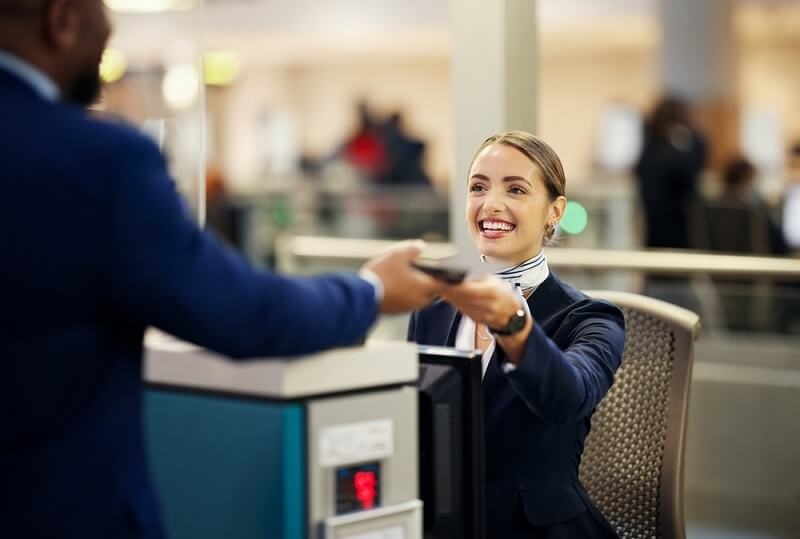
Online check-in reduces stress. It also saves time by letting travelers skip lines. Boarding passes on phones are easier to manage than printed tickets that get lost. Savvy travelers also use airline apps to track delays and gate changes.
Airport check-in tips for international flights are essential. Passports must be valid for at least six months beyond the intended date of travel. Travel papers should stay together. Some airports require visa confirmation before dropping bags. A check-in guide that includes digital tools prevents surprises later.
Travelers can also use airport maps on apps to support better airport navigation inside large terminals. This means less wandering and more comfort before long flights.
Documents are checked again and again. This is why airport travel tips always recommend carrying them in one place. A zipper pouch or a small travel wallet works well.
Documents usually needed include:
Smooth travel happens when paperwork is not scattered inside deep pockets or hidden under snacks. Quick access means smooth movement.
Airport security tips include learning what to expect before reaching the checkpoint. Rules are written, but many people ignore them in a hurry. Removing jackets, belts, laptops, and liquids saves time. Being polite also helps everything move faster.
What this really means is that simple courtesy can speed up lines for everyone. Body scanners sometimes ask travelers to stand still. Bags may undergo a second check. Staying calm and listening to the officers helps keep the day peaceful.
Airports differ in their food selection; some offer fully equipped restaurants in addition to other amenities, while others provide only limited snack options. Travelers typically benefit most from having eaten a light meal at the start of their trip to help create an overall smoother travel experience, as well as drinking plenty of fluids before embarking on a long flight.
To enable travelers to stay adequately hydrated without incurring significant expenses, it is recommended that they also bring an empty reusable plastic bottle through security and refill it after security screening.
Gates change suddenly. Announcements may sound fast and unclear in crowded airports. Watching screens helps travelers avoid walking to the wrong gate. Boarding typically begins 30 to 50 minutes before departure.
Staying close to the gate when time gets near prevents last-minute running. Boarding groups are called slowly. Listening makes the whole process easier.
Airports are generally safe, yet they remain crowded. That means travelers must protect their things. Keeping bags zipped and phones in hand helps. Airport travel tips often emphasize the importance of being aware of one's surroundings.
Travelers feel more relaxed when they know their items stay secure.
Airports use a simple pattern: check-in area, security zone, terminal, then gate. Clear signs help guide everyone. Still, big airports feel confusing. Maps and arrows keep travelers on track.
Airport navigation becomes easier when travelers follow these ideas:
Confidence grows when movement has clear guidance.
Phones help track flight updates, maps, and emergency contacts. Chargers and portable batteries help travelers stay ready. Many airports offer charging stations, but they can get busy. Keeping a small power bank inside a carry-on helps when outlets are full.
Airline apps can also help locate luggage and share new instructions. Technology supports better airport navigation from start to finish.
International trips have extra steps. These airport check-in tips help reduce stress:
Travelers should stay patient. International sections inside airports usually take longer. Everything must be checked more carefully to meet travel rules.
Families traveling with kids need more time. Snacks, toys, and early boarding help little travelers feel happy and secure. Many airports also offer family lanes at security checkpoints to expedite the process.
People with special needs should request help in advance. Wheelchair services and priority boarding make a substantial positive difference—airport staff support comfort and safety as part of their job.
Having some comfort while traveling can make your trip more enjoyable. If you are flying out of a terminal, it may cost you more than expected; however, it doesn’t need to be expensive to be comfortable.
When traveling, you can take with you:
Many airports even provide complimentary quiet areas where you can escape the busy crowds and rest.
Practical airport travel tips can help remove fear and confusion from your journey. Every traveler deserves a calm and smooth start to a trip. Preparing documents, planning, following airport security guidelines, and using a clear check-in guide can help reduce stress. These smart habits support safe and happy flights from the first step inside the airport.
Arrive early, keep documents ready, pack smart for security, follow airport navigation signs, and track gate updates.
They include extra time, correct passport and visa checks, and being prepared for longer inspection lines.
Keep liquids organized, remove electronics quickly, and wear items that are easy to slip off.
Follow large signs and floor markings, and ask airport workers when things feel unclear.
This content was created by AI