

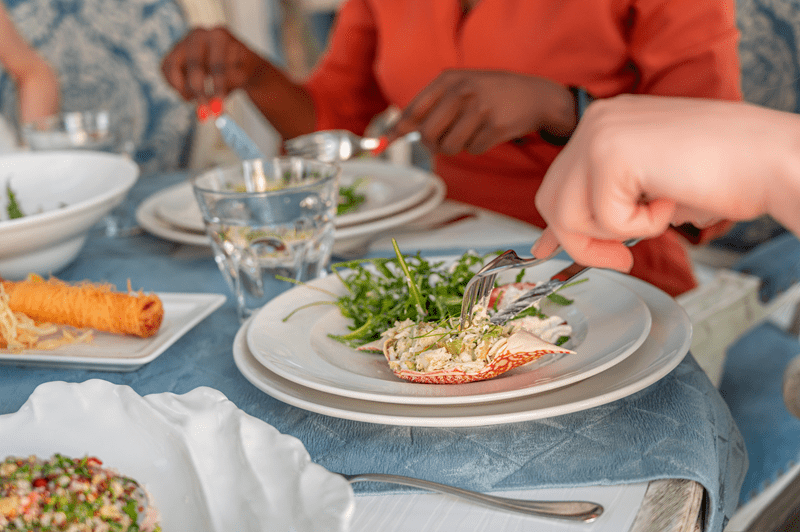
Imagine you finally get a table in a busy little restaurant overseas, the food smells incredible, everyone looks relaxed. Then you accidentally do something tiny that makes the whole table go quiet. Wrong hand, wrong gesture, wrong place for your chopsticks. Ouch. This is where cultural food etiquette quietly steps in.
Every country has its own rhythm at the table. Some expect you to finish everything, others see an empty plate as a sign they did not serve enough. In some places, slurping is rude, in others it means you truly enjoyed the meal. These little rules are part of local dining customs, just as important as the ingredients on your plate.
When you learn even a handful of these habits before your trip, you show respect and avoid awkward moments. It is not about being perfect. It is about trying. That effort is what makes dining do’s and don’ts abroad worth your time.
For many hosts, sharing a meal is a big gesture of trust. They are opening up their home, their memories and their kitchen to you. If you sit down and ignore how things are done there, it can feel careless, even if you did not mean any harm. A quick read about global food habits can completely change the mood at the table.
Think of it as a soft skill for travelers. Knowing when to wait for a toast, who eats first, or how to refuse more food politely can make you seem thoughtful, not clumsy. It also keeps you from stressing over every little move. Once you understand the basics, you can relax and enjoy what is in front of you instead of endlessly worrying about mistakes.
Most importantly, learning these small rituals shows people you are not just collecting photos for social media. You are genuinely interested in how they live and eat. That curiosity often leads to deeper conversations and invitations you would never get otherwise.
Good manners abroad actually start on your couch. Before you fly, take a little time to look up food etiquette rules in different countries. You do not need a long textbook. Even a short list of simple points can be enough to keep you out of trouble.
Look for things like how people greet each other at the table, whether you should wait to be seated, and if it is normal to split the bill or let the host pay. In some places, leaving a tip is kind. In others, it can be confusing or even offensive. A quick check helps you avoid those weird money moments that nobody enjoys.
If you are staying with a host family or visiting friends, you can simply ask them ahead of time. Most people are happy to explain what feels right in their home, and they will appreciate that you cared enough to ask. That one question can give you more reliable guidance than any guidebook.
Even with research, every table is a little different. This is where watching people helps. Pay attention to those around you and you will quickly spot patterns in international table manners. Are guests waiting for the oldest person to start eating? Is everyone pouring drinks for each other rather than topping up their own glass?
Observing quietly for the first few minutes is a smart move. It lets you see how those global food habits actually play out in real life. If you are not sure about something, it is fine to ask a gentle question. A simple “Is it ok if I do it this way?” usually gets you a kind answer and maybe even a story about why things are done that way.
The more you pay attention, the more confident you feel. Instead of worrying, you are picking up signals and adjusting. That is exactly what respectful guests do, anywhere in the world.
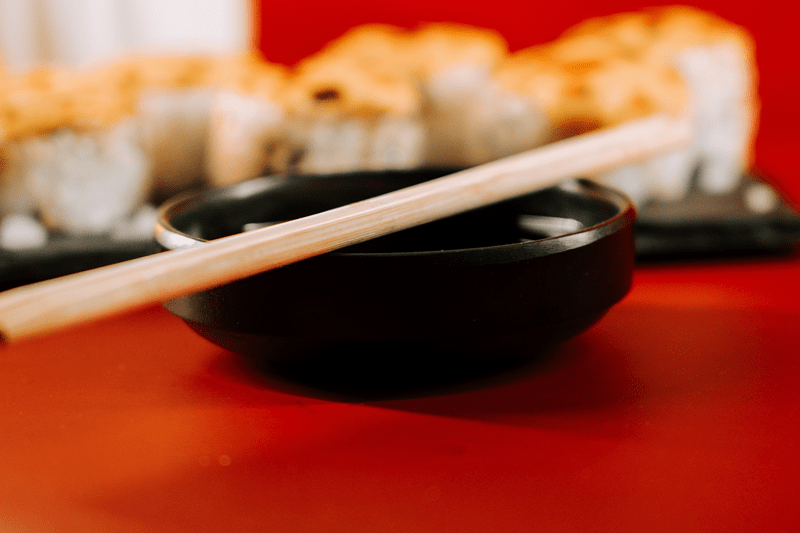
It might help to picture a few situations. In Japan, sticking your chopsticks upright in a bowl of rice looks similar to a funeral ritual. People are usually polite about it, but it can feel uncomfortable. That is why simple dining customs like where to rest your chopsticks matter more than they seem at first.
In parts of the Middle East, eating only with your right hand is standard at the table. Using the left can feel disrespectful to some hosts. In Italy, ordering a cappuccino after a heavy dinner can raise a few eyebrows, because milk based coffee is seen more as a morning thing. These examples are not about strict rules, they just show how food etiquette rules in different countries shape the flow of a meal.
Then there are situations where sharing is key. In many Asian countries, dishes are placed in the middle and everyone serves themselves a little at a time. Taking too much of one dish at once may look a bit greedy. Knowing these international table manners upfront turns those potential blunders into smooth, friendly evenings. Over time, you get better at spotting dining do’s and don’ts abroad before they surprise you.
Luckily, some habits work almost everywhere. Arriving on time, washing your hands before you sit, and putting your phone away are simple ways to show respect. Complimenting the food, even in basic phrases, is always appreciated. A genuine smile and a “thank you” in the local language go a long way, especially when you stumble a bit with the rest of the cultural food etiquette.
If you accidentally do something wrong, do not panic. Most people understand that visitors will make small mistakes. A quick apology and a light, honest comment like “I am still learning, please tell me the right way” can fix the mood faster than pretending nothing happened. Hosts usually care more about your attitude than your perfect performance.
In the end, these habits are less about rules and more about kindness. You are telling your host, “Your ways matter to me.” And that message is universal.
You do not need to memorise a huge list. Focus on a few basics for eating, drinking and paying the bill. Learn what is considered polite for greetings and seating, and check if there are any strong taboos. A short guide on cultural food etiquette for your destination is usually enough to keep you comfortable and respectful.
Stay calm, apologise if needed, and let your host know you are still learning. Most people appreciate the effort more than flawless behaviour. A friendly question like “How should I do it next time?” turns a mistake into a learning moment and shows that you respect their traditions at the table.
Yes. As long as you ask kindly and listen carefully, people usually enjoy explaining their traditions. Curiosity shows that you value their culture. Just avoid sounding like you are judging or comparing it negatively to your own. Treat their habits as interesting, not strange, and you will get much richer answers about their dining customs and everyday life.
This content was created by AI